
How Professional Exterminators Stop Bed Bugs From Spreading Room to Room
Bed bugs are a persistent problem that can quickly spread from one room to another if not addressed promptly and effectively. This article explores the methods and strategies that professional bed bug exterminators use to contain and eliminate bed bug infestations before they become unmanageable. Understanding their approach and techniques can help prevent the spread and ensure a bed bug-free environment.
Understanding Bed Bug Behavior
Lifespan and Reproduction
Bed bugs have a relatively fast life cycle, which allows them to reproduce rapidly under favorable conditions. An adult female bed bug can lay up to five eggs per day and over 500 eggs during its lifetime, making eradication a time-sensitive matter. The eggs hatch within one to two weeks, and nymphs begin feeding immediately. Given the right environment, their lifecycle from egg to adult can be completed in as little as five weeks, contributing to exponential population growth. Knowing their reproductive capacity is crucial for developing an effective extermination plan that addresses both current infestations and prevents future ones.
Feeding Habits
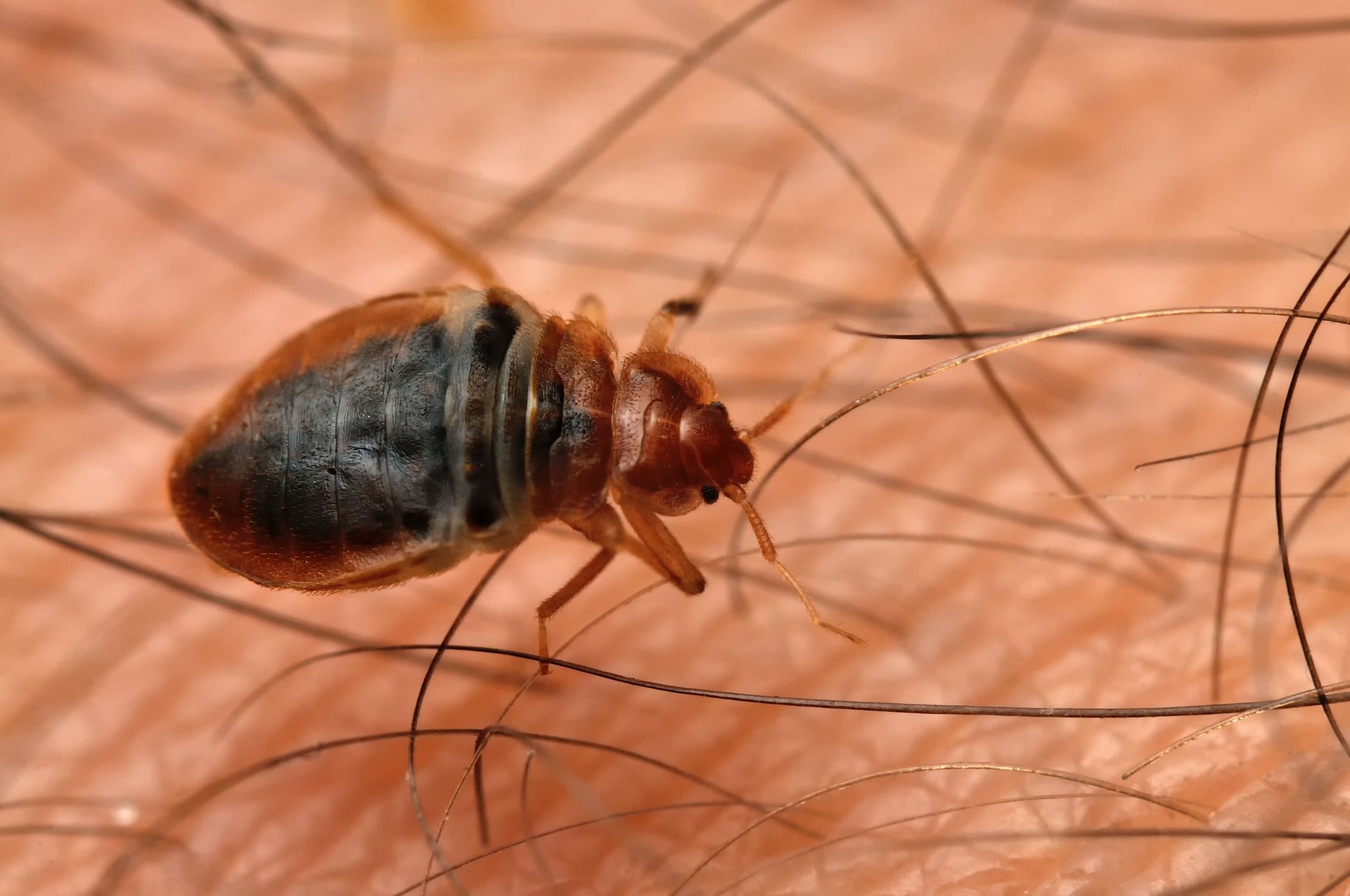
Bed bugs are nocturnal insects that prefer to feed on their hosts' blood while they sleep. They are attracted by carbon dioxide and body heat, which leads them exactly to where a person or animal is resting. Once on the host, they pierce the skin with elongated beaks and feed for three to 10 minutes until replete. This feeding process leaves a series of bites which are typically painless but can cause itching and rashes. Understanding their feeding habits helps in pinpointing typical infested areas, which are crucial for effective management and extermination strategies.
Hidden Habitats
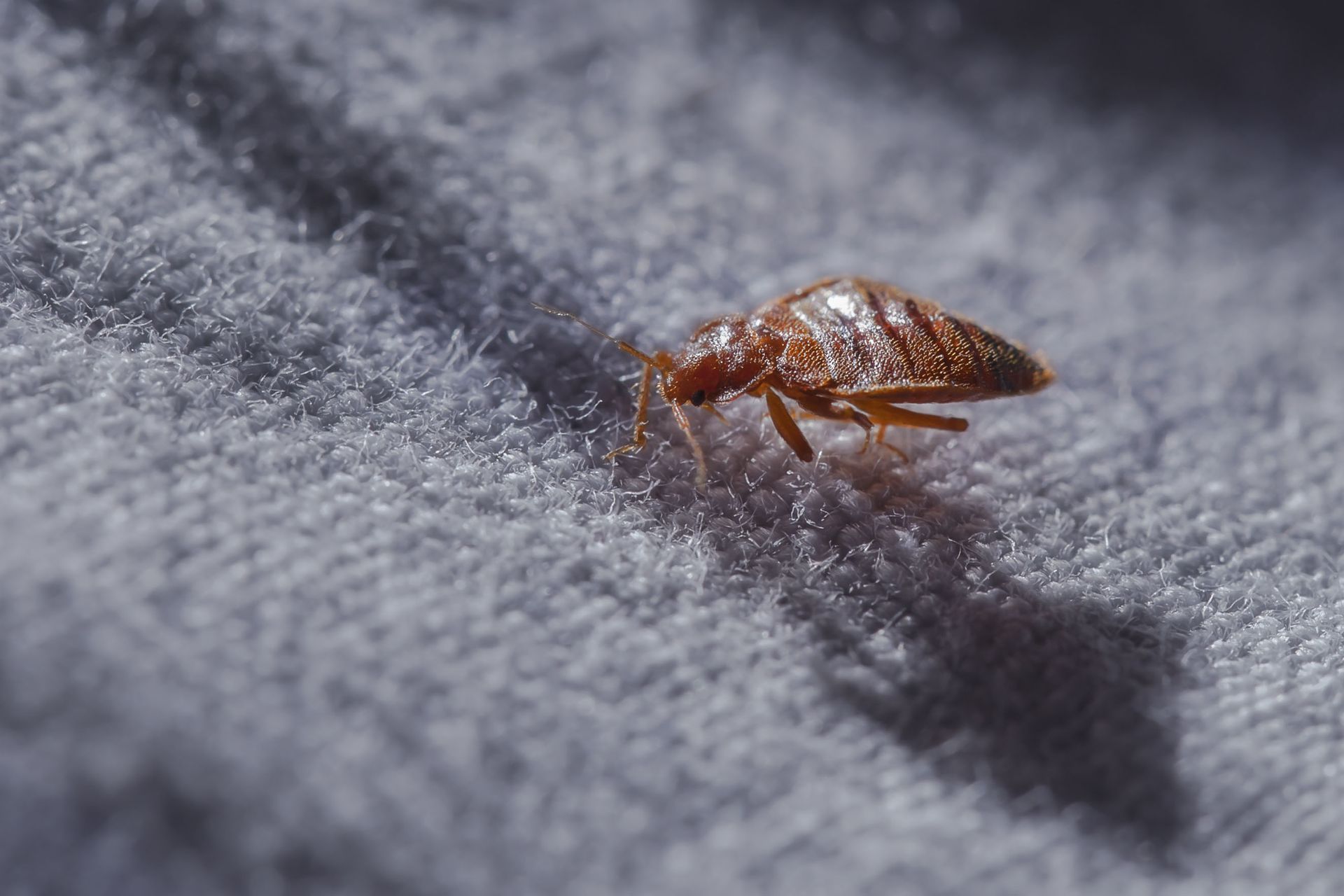
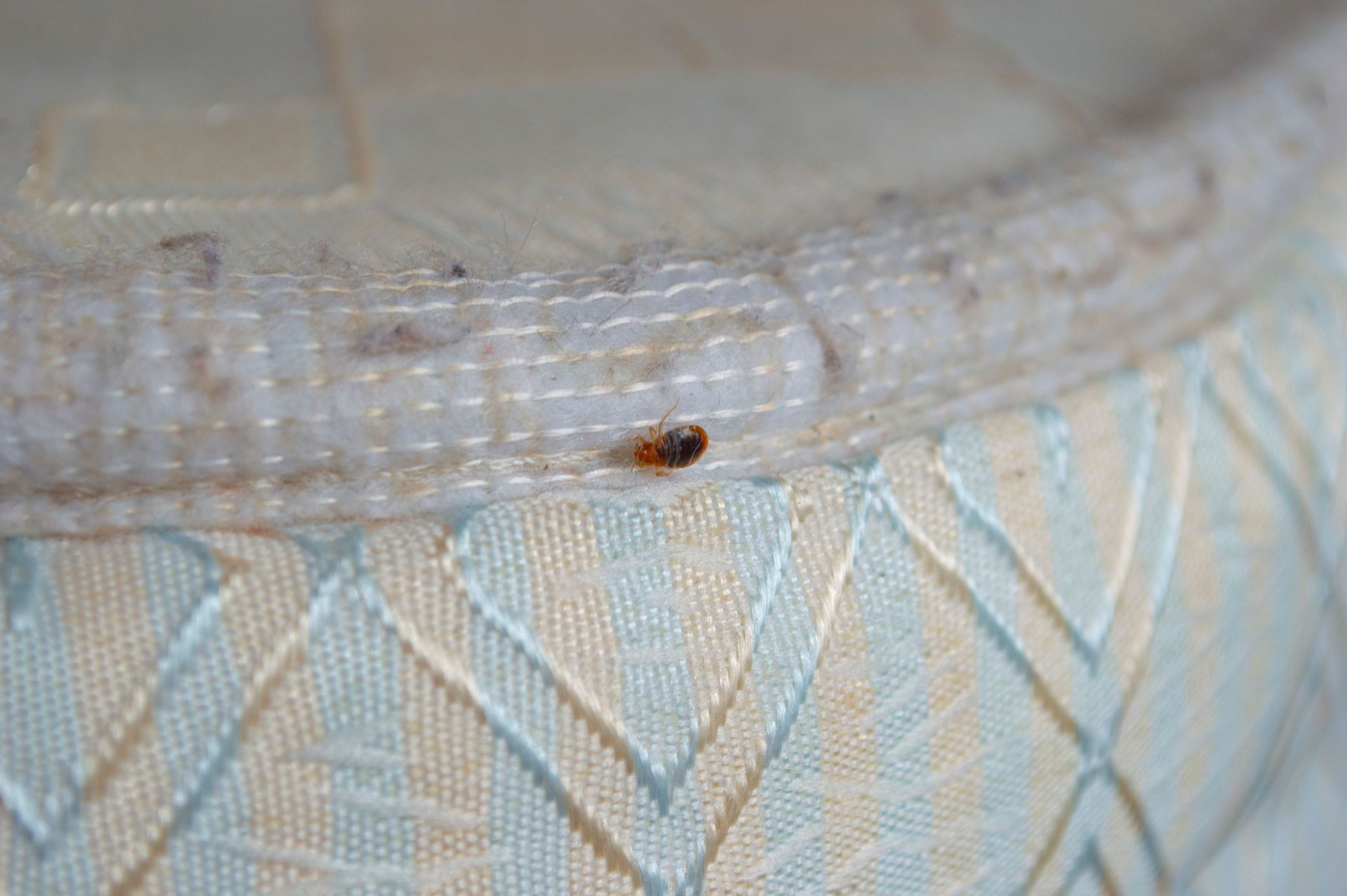
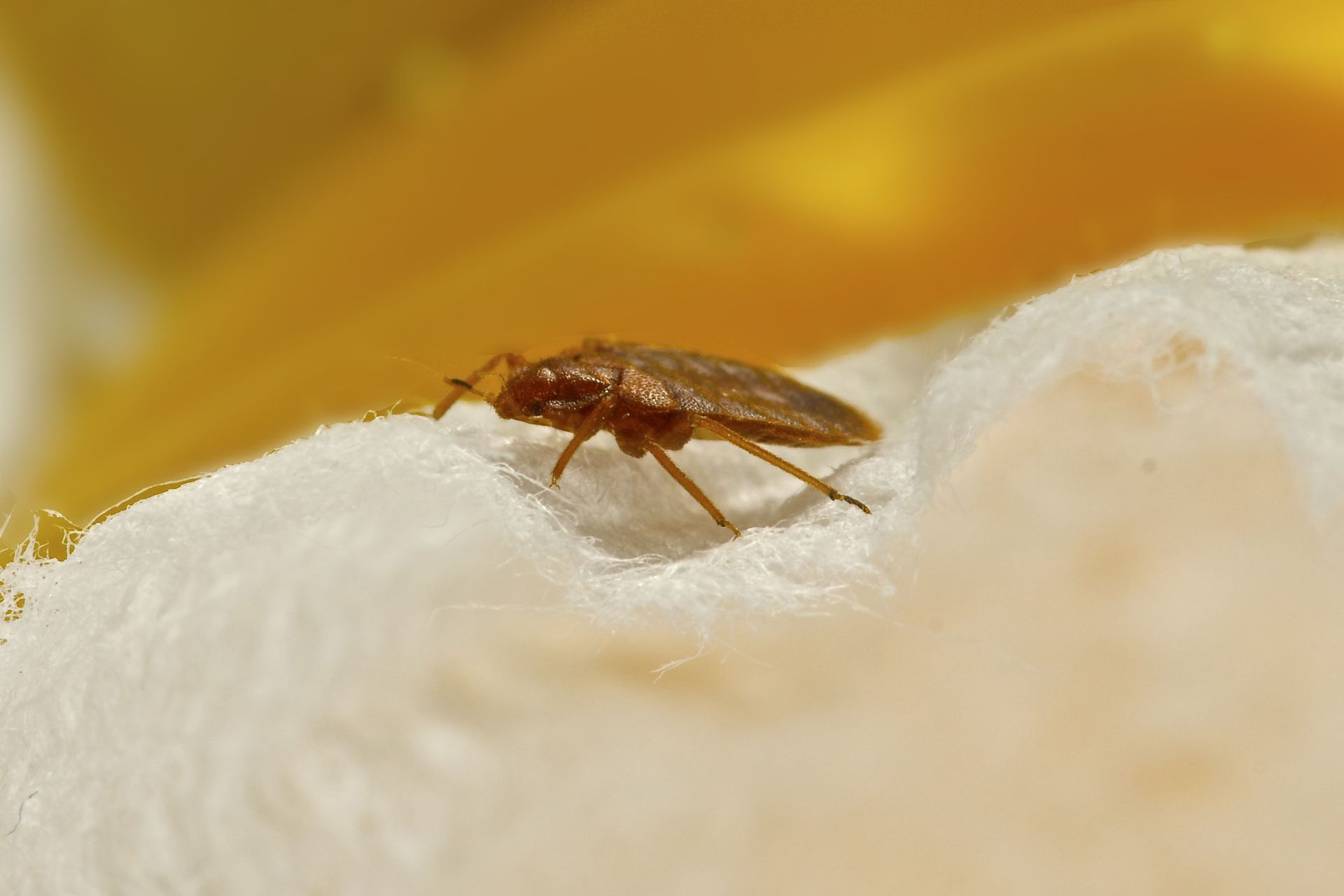
Bed bugs are adept at hiding, typically taking refuge in mattress seams, box springs, bed frames, and headboards. They have also been known to nest in a variety of less obvious places, such as electrical outlets, behind wallpaper, and within personal belongings. Their flat bodies enable them to easily squeeze into these tight spaces, making detection difficult without professional inspection. By identifying and targeting these hidden habitats, bed bug exterminators can directly target the core of an infestation. Effective eradication hinges on reaching these well-concealed nests that are often missed by those unfamiliar with bed bug behavior.
Resistance to Pesticides
Over the years, many bed bug populations have developed a resistance to common pesticides, complicating traditional extermination efforts. This resistance necessitates the use of integrated pest management strategies that combine chemical treatments with other methods for increased efficacy. Pesticide resistance highlights the importance of professional intervention, since specialized knowledge and tools are often required to effectively select and administer the proper treatments. Consequently, expenditures for professional treatment can vary widely according to HomeAdvisor, costing an average of around $2,500, but can range anywhere from $350 to $6,200. This underscores the importance of a comprehensive approach to extermination.
Initial Inspection and Assessment
Identifying Infestation Sources
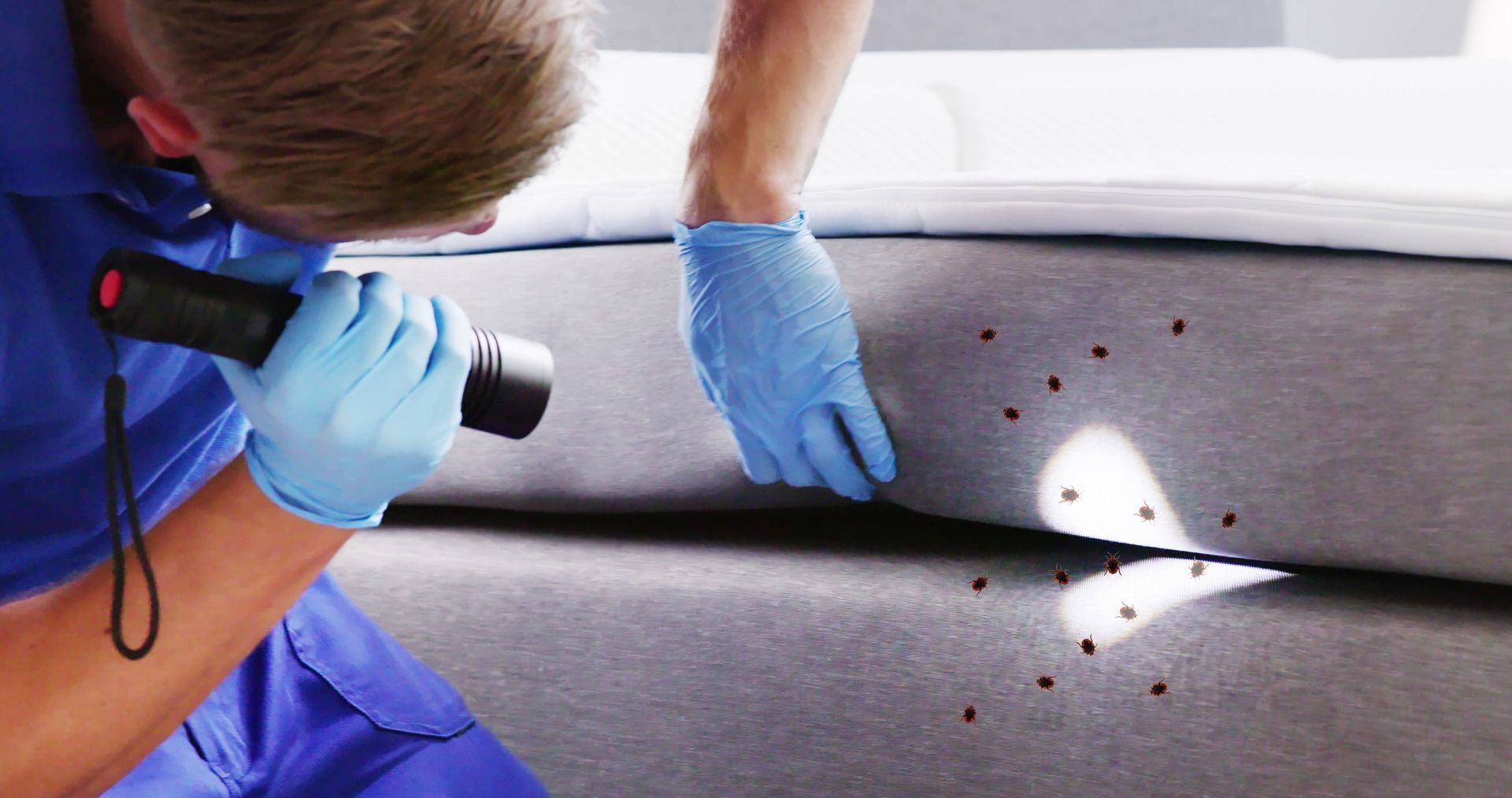
The process of addressing a bed bug infestation begins with a thorough inspection to locate the source and extent of the infestation. Professionals are trained to identify common signs of bed bugs, such as the presence of blood stains, fecal spots, shed skins, and live bugs. They may employ specially trained dogs that can sniff out live bugs and eggs. Proper identification of the infestation's epicenter is critical because it allows bed bug exterminators to focus their efforts where they are most needed. Knowing the scope of the problem enables them to design a targeted treatment plan, which is crucial for cost-effective and successful extermination efforts.
Assessing Spread Risk
Once the infestation source is identified, experts evaluate the risk of the infestation spreading to adjacent areas. This involves inspecting not just the affected room, but also nearby spaces and understanding structural vulnerabilities that could facilitate the bugs' migration. Experts assess potential pathways between rooms, such as ductwork and wall cavities, to predict how the infestation might progress if left untreated. By anticipating these risks, professionals can implement measures to minimize further spread before proceeding with active treatment. This proactive approach is a hallmark of effective pest control and prevention strategy.
Tools for Detection
The detection of bed bugs is facilitated by various tools and technologies that enhance the accuracy of inspections. Infrared detectors, for instance, can identify heat signatures typical of bed bug nests, while ultraviolet light can uncover stains from their fecal matter invisible to the naked eye. Professionals might also deploy interceptors or sticky tape traps, which can capture insects traveling between feeding sites. These tools help in confirming the presence and dispersal of bed bugs, demonstrating the need for a targeted extermination plan. By leveraging these technologies, professionals can ensure a more precise and effective treatment solution.
Creating a Map of Infestation
Creating a detailed map of infestation areas allows bed bug exterminators to visualize the spread and strategize intervention points. Professionals use this map to track areas where bed bugs have been observed and predict likely hiding spots not yet checked. This mapping process helps in developing a comprehensive plan of action that involves treating current infestations and isolating sections to prevent further spread. Maps also serve as valuable records for monitoring the success of treatment and guiding follow-up inspections. A well-documented map underlines the systematic approach professionals take in battling bed bugs.
Containing and Isolating Infested Areas
Setting Up Isolation Protocols
Isolation protocols are essential for preventing bed bugs from spreading while treatment is underway. This involves sealing off affected areas to limit the bugs' migration through building structures. Temporary barriers and modified ventilation systems are often utilized to stop their movement through shared vents and ductwork. Isolation efforts should be communicated clearly to residents to ensure compliance and support containment goals. Effective isolation protocols, when expertly executed, prove pivotal in managing infestations that pose a risk of extensive spread within shared buildings.
Use of Physical Barriers
Physical barriers, like mattress encasements and door seals, are robust tools for limiting bed bugs' access to hosts and restricting their movement within structures. Mattress and box spring encasements trap bed bugs inside, preventing them from escaping and feeding, and eventually leading to their starvation. Door seals, like those found on Draft-Stopper products, block pests from crossing room thresholds. These barriers play a critical role in reducing infestation density and preventing movement while treatment is administered. Utilizing physical barriers is part of a layered approach, reinforcing other control measures.
Heat Treatments as a Containment Method
Heat treatments are a popular method for bed bug elimination, exploiting their intolerance to high temperatures. Specialized equipment raises room temperatures to levels lethal to bed bugs and their eggs, effectively sanitizing entire infested areas in one application. Using heat as a containment measure ensures that hidden bugs are eradicated without risk of migration, as high temperatures envelop the entire space. Although highly effective, heat treatments require careful preparation and coordination with professionals due to their complexity and cost. When integrated with other strategies, heat treatments offer a compelling option against persistent infestations.
Working with Tenants or Occupants
Effective communication and cooperation with tenants or occupants is vital for the success of bed bug control programs. Bed bug exterminators work closely with residents to inform them about the importance of isolation and treatment strategies, providing guidelines to help them prepare spaces for treatment. Clear communication fosters understanding of the necessary procedural steps to ensure effectiveness and safety. Cooperation from residents ensures that recommendations are followed, significantly increasing treatment success rates. By involving residents in the process, professionals cultivate a collaborative environment crucial for the successful containment and eradication of bed bugs.
Professional bed bug exterminators employ a comprehensive approach to stop bed bugs from spreading room to room, involving a combination of careful inspection, effective containment strategies, innovative treatment methods, and thorough follow-up. By understanding and implementing these measures, both professionals and residents can significantly reduce the likelihood of bed bug infestations and ensure a safer, more comfortable living or working environment. Reach out to Bed Bug Busters By Ellington Management LLC today to see how we can help you!

Share On: